
Immunosuppressive Therapy
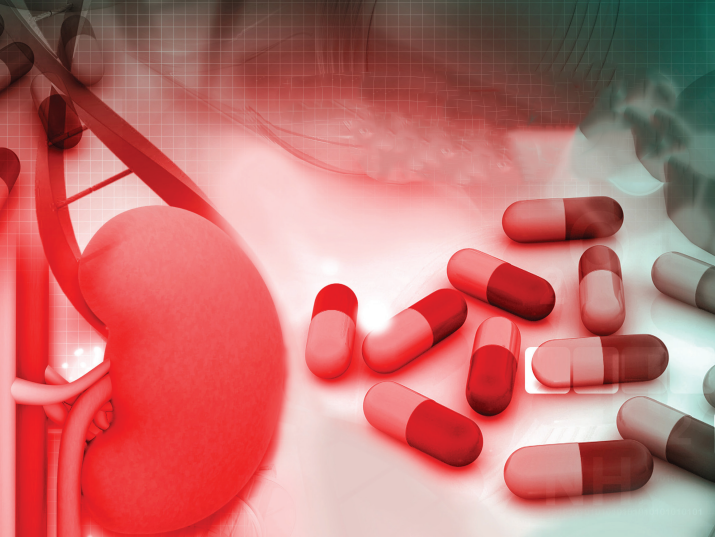
Kidney transplant patients need to take immunosuppressive or anti-rejection drugs to prevent the new kidney from being rejected by their body. These medications suppress the body’s immune system and prevents it from identifying the new kidney as foreign. But as the body never forgets that the new kidney is foreign, the patient has to take these medicines throughout life. Therefore, to prevent kidney rejection and maintain its normal functioning the patient should take these medications as per the instructions of the doctor.
The commonly used immunosuppressant medications include:
- Cyclosporin A
- Mycophenolate Mofetil
- Prednisolone
- Azathioprine
- Tacrolimus
Medicines for treating infections
There are two kidneys present in the body, each about the size of an adult fist, located on either side of the spine just below the rib cage.
- 1. Anti-viral Drugs
Ganciclovir and Acyclovir are used to treat Cytomegalovirus (CMV) and Herpes simplex virus infection respectively.
- Anti-fungal Drugs
Fungal infection of lungs, skin or nails is quite common in renal transplant patients and for that your doctor may advise anti-fungal creams and/or tablets.
- Antibiotics
Lung infection due to Mycobacterium tuberculosis, Nocardia or Pneumocystis carnii may require treatment with antibiotics.
- 2. Anti-ulcer medicines:
Patients especially on corticosteroid therapy (Prednisolone) are prone to develop peptic ulcers. Therefore they will need to take some antacids such as Famotidine, Omeprazole, Zantac etc. to prevent and treat ulcers.
- 3. Anti-hypertensive medicines:
These will be given to control blood pressure. The management of high blood pressure in kidney transplant patient is similar to that given in the general population.
- 4. Diuretics may be given to remove the extra fluid in the body.
TACROLIMUS (FK-506)
- How to take
Tacrolimus is taken by mouth. Intravenous Tacrolimus is highly toxic and is not recommended. It can be given through a nasogastric tube if the patient is not able to take it orally.
- Precautions
Magnesium oxide, sodium bicarbonate, Sucralfate or other antacids should not be taken within two hours of taking Tacrolimus.
- Side effects
- When given in high doses (for treating rejection) it can cause tremors, burning and tingling in mouth, hands or feet; headache and insomnia (loss of sleep). These usually disappear with the reduction in dose.
- Nausea and vomiting
- High blood sugar
- High blood pressure
- Increased potassium levels in blood
TACROLIMUS LEVEL TEST
Tacrolimus is a potent immunosuppressive agent used to prevent transplant rejection.
- What is Tacrolimus Test?
- Tacrolimus is an immunosuppressive drug that suppresses the immune system to prevent rejection of transplanted organs by hindering activation of T-lymphocytes.
- Tacrolimus levels in the blood are assessed to maintain a therapeutic range, as the therapeutic window of the drug is very narrow.When the concentration is low organ rejection occurs and when the concentration is too high it leads to indications related to toxicity.
- When to get tested?
The patient should get tested as soon as the tacrolimus therapy begins, frequently at first, then at regular intervals to monitor concentrations over time
- When are results expected?
The results can be expected within 24 hours to 36 hours.
- Why should the test be done?
- Tacrolimus test is performed to determine the concentration of tacrolimus in the blood.
- Tacrolimus levels have to be monitored and maintained within the therapeutic range as high levels of tacrolimus can cause nephrotoxicity and low levels could result in graft rejection.
- How is the sample taken?
The blood (Serum sample) is collected through venipuncture (Collected from vein, through forearm)
- What is the ideal sampling time?
The sampling time should be 12 hours after the last dose and immediately prior to the next dose or as directed by the healthcare practitioner.
It is a human derived monoclonal antibody given immediately following kidney transplant and to treat acute rejection episodes. When added to standard immunosuppressive therapy it reduces the risk of acute rejection of kidney by about 25%. It also has a lesser incidence and less severe side effects.
It is a polyclonal antibody that act against the T cells. It is also used soon after transplant and to treat acute rejection episodes. Side effects commonly include infection (especially viral) and less commonly cancer (typically lymphomas).
CYCLOSPORIN A
Cyclosporin is the mainstay of therapy used to prevent immediate as well as long-term kidney transplant.
- How to take
- Cyclosporin may be taken in oral or injection form. Oral cyclosporin is available in capsules and liquid form. The medicine should be kept at room temperature away from direct sunlight.
- Use a glass container for taking liquid cyclosporin.
- Avoid taking meal, grape fruit or juice, pineapple juice with cyclosporin.
- Precautions
- Liquid cyclosporin should be used within 2 months of opening the bottle. Its a good idea to date the bottle when you open it.
- Many medicines can hamper the absorption of cyclosporin, hence always consult your doctor before taking any other medication.
- Do not take high doses of aspirin or NSAIDs while taking cyclosporin.
- Do not use oral contraceptive pills while taking cyclosporin.
- Side effects:
- Acute kidney failure
- High blood pressure
- Resting tremor (trembling)
- Increased hair growth (Hirsutism)
- Swollen gums (Gum hyperplasia)
- Post-transplant diabetes
- Increased cholesterol levels (hyperlipidemia)
MYCOPHENOLATE MOFETIL
Mycophenolate Mofetil helps to prevent rejection of the transplanted kidney.
- How to take
- Mycophenolate Mofetil is taken by mouth.
- The capsule should be swallowed as the whole and it should not be crushed or chewed.
- It may be taken with or without food.
- Precautions
- Avoid simultaneous use of Iron capsules.
- Mycophenolate can cause increased sensitivity to sun. Therefore, limit your exposure to sunlight and ultra-violet light by using protective clothing and sunscreens.
- Avoid pregnancy during and until six weeks after stopping the therapy because Mycophenolate can adversely affect pregnancy.
- This drug may also cause birth control pills to become ineffective. Consult your doctor for suitable alternatives.
- Side effects
- Mild degree of gastrointestinal upset leading to loss of appetite, nausea, vomiting, stomach pain, diarrhea or constipation.
MUROMONAB-CD3
It is a monoclonal antibody, usually given to treat acute rejection of kidneys when steroid therapy fails.
- How to take
- Muromonab-CD3 is available in liquid form and is given by injection.
- Precautions
- Avoid driving, operating machinery or other activities requiring mental alertness while taking Muromonab-CD3.
- Side effects
- Fever
- Pain in muscles (myalgia)
- Difficulty in breathing
- Aseptic meningitis
- Increased risk for infection especially cytomegalovirus infection
AZATHIOPRINE
Azathioprine is used in combination with other drugs in patients with renal transplant. It prevents rejection of transplanted kidneys by suppressing body’s immunity.
- How to take
- Azathioprine can be taken orally or by injection
- It should preferably be taken with food to avoid abdominal upset
- Precautions
- Do not take the medicine empty stomach
- Inform the doctor if you are taking Allopurinol (a medicine used for preventing gout attacks). Allopurinol can prolong the metabolism of Azathioprine therefore it is essential to reduce the dose of Azathioprine.
- Side effects
- Stomach upset
- Loss of appetite
- Nausea or vomiting
- Weakness
PREDNISOLONE
Prednisolone is a steroid used to prevent rejection of transplanted kidneys as well as to treat rejection.
- How to take
- Prednisolone is taken by mouth in either liquid or tablet form. Patients who are not able to take it orally are given intravenously.
- It may cause abdominal discomfort and should be taken with meals or snacks preferably in the morning.
- Precautions
- Do not take the medicine empty stomach.
- As Prednisolone can cause peptic ulcer the patient may need to take some antacids.
- Long-term use of prednisone can cause osteoporosis (weakening of bones). Therefore, patient should take calcium in diet or as supplements.
- Avoid alcohol.
- Side effects Common side effects include:
- Stomach upset
- Nausea
- Vomiting of blood or black tarry stool
- High blood sugar (hyperglycemia)
- Swelling on the face or feet
- Increased risk for infections
- High blood pressure
- Impaired wound healing